
The theme park industries represent one of the most influential segments of the global amusement and attractions market. These destinations bring together entertainment, architecture, storytelling, technology, and tourism to create large-scale, purpose-built experiences.
According to Fortune Business Insights, the theme park industry continues to evolve at a remarkable pace, with global market value projected to reach $124.71 billion by 2032. As theme parks rebound and innovate post-pandemic, understanding current trends is essential for operators, designers, and investors throughout the sector.
To help you navigate this dynamic landscape, this blog explores how the theme park industry is evolving by answering key questions:
- What is a theme park?
- What is the theme park industry’s scope, business model, and economic impact?
- What are the current trends shaping the global theme park industry?
- What are optical illusion parks and purpose-built attractions?
- What are the top theme parks in the world?
- What does the future of themed entertainment look like?
And if you’re looking to skip the formalities and start your next theme park project, don’t hesitate to contact SALSO Design Studio. Our team supports clients across every stage of development, from early concept and master planning to immersive design and execution of theme parks and illusion museums worldwide.
What Is a Theme Park?
A theme park is an immersive entertainment destination built around a unified theme, narrative, or intellectual property. Unlike traditional amusement parks, the best theme park design ideas emphasize cohesive storytelling across environments, attractions, and guest services.
Despite technological advances, the core product of any theme park remains consistent:
- Parades,
- Stage shows,
- Atmospheric events,
- Character meet‑and‑greets,
- Bands and live performances,
- Rides and attractions.
These elements collectively define the modern themed entertainment industry.

The Theme Park Industry, Scope, Business Model, and Economic Impact
The theme park industries are a well-established segment of the global amusement industry and tourism economy. The theme park industry comprises purpose-built destinations that deliver immersive entertainment through themed environments, attractions, and experiences.
It includes a wide range of formats, from small, independently operated parks and seaside theme parks to large multinational operators and destination resorts. Globally recognized brands such as Disney, Universal, Six Flags, and leading European amusement parks operate alongside newer concepts like optical illusion parks and other purpose-built attractions.
Business Structure and Theme Park Industries Drivers
The theme park business is driven by demand for immersive and memorable experiences. Parks combine theme lands, live entertainment, and theme park rides to appeal to families, tourists, and experience-driven audiences. This demand fuels continuous investment in theme park technology and shapes theme park planning and implementation every day.
Current theme park industry trends reflect broader amusement trends, including:
-
Increased focus on immersive environments,
-
Growth of compact and modular attraction formats,
-
Integration of digital systems and interactive design.
The current trends in the theme park industry are shaping development strategies for amusement parks in 2026 and beyond.
Tourism and Economic Contribution
Theme park tourism delivers substantial economic value. Beyond ticket sales, theme parks generate revenue through food and beverage, merchandise, hospitality, and destination-led experiences. They also create employment across design, construction, operations, and supply chains.
In many regions, a single theme park can anchor an entire tourism ecosystem. Well-planned parks enhance destination appeal, encourage longer visitor stays, and contribute to long-term regional branding. As a result, theme parks are increasingly viewed as strategic assets within national and city-level tourism strategies.
Theme Park Industries: Best Trends to Watch
The future of the theme park industry is defined by technology, personalization, and immersion. The following trends in the park industry are defining the sector in 2026.
1. Immersive Themed Lands
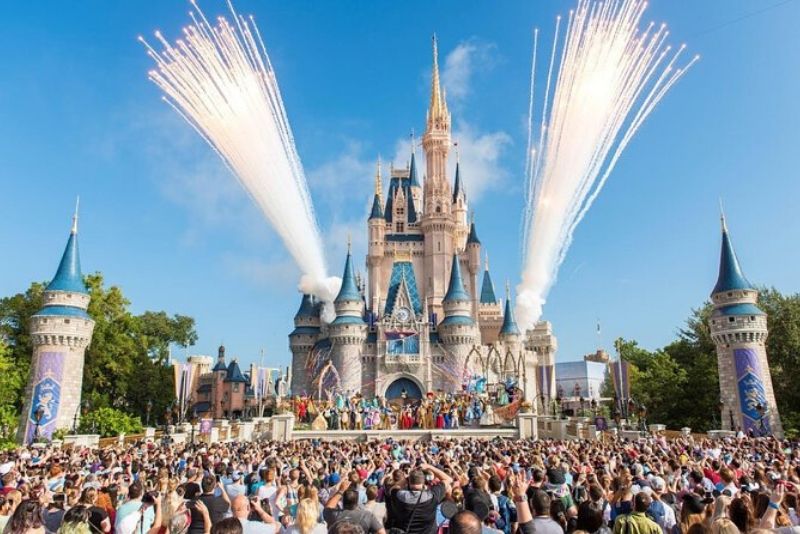
Fully immersive theme land environments remain a dominant trend and strategic priority for leading theme park industry operators, building on pioneering examples like Universal’s Wizarding World of Harry Potter (2010) and Disney’s Star Wars: Galaxy’s Edge (2019).
These environments extend storytelling beyond individual rides into retail, dining, and public spaces, transforming visits into multi-hour narrative journeys rather than isolated attractions.
Key characteristics of immersive theme lands include:
-
Seamless narrative continuity: Every element supports the overarching story
-
IP-driven environments: Based on beloved franchises and characters
-
Embedded interactive elements: Guest participation throughout the land
-
Comprehensive theming: Architecture, landscaping, music, and costumes integrated
-
Character interactions: Costumed performers enhancing immersion
Recent and upcoming developments include:
Disney’s Avengers Campus opened in California (2021) and Paris (2022), while Universal’s Epic Universe launched in May 2025. Disney announced Villains Land, Cars-themed land, and Monsters Inc. attractions for 2026.
2. Newest Ride Technology Trends
Theme park technology is redefining guest expectations.
Leading innovations include:
-
Trackless ride systems,
-
Multi‑launch coaster technology,
-
Projection mapping and spatial audio,
-
Advanced animatronics and special effects.
The technologies support higher throughput, flexible layouts, and deeper immersion.
3. Interactive Family Rides
Demand for interactive attractions designed for families with young children continues to grow, particularly in the United States.
Popular formats include:
-
Augmented-reality dark rides,
-
Gesture- and button-based gameplay experiences,
-
Educational storytelling attractions,
-
Low-height immersive rides.
These concepts balance engagement, accessibility, and repeatability.
4. Theme Park Industry Technologies & Digital Integrations
Modern theme park technology supports the entire guest journey.
Common integrations include:
-
Mobile ticketing and virtual queues,
-
In‑app food ordering,
-
Real‑time wait‑time forecasting,
-
Personalized itineraries and guest profiles.
Technology increasingly operates as an invisible layer that improves efficiency without disrupting immersion.
5. Theme Park Design & The Art of Themed Entertainment
Today, we’re witnessing the theme park design evolution into a multidisciplinary practice that blends:
-
Architecture,
-
Storytelling,
-
Engineering,
-
Psychology,
-
Guest flow optimization.
Successful environments balance emotional impact with operational performance and long-term scalability.
Optical Illusion Parks and Purpose‑Built Attractions
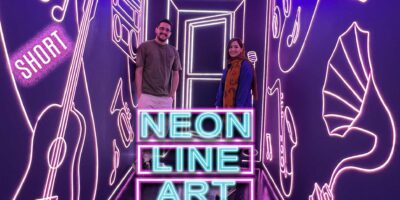
Optical Illusion parks are among the fastest-growing segments of the global themed entertainment market. These attractions are designed specifically for high engagement, strong visual impact, and social-media-driven visitation.
Unlike traditional ride-based parks, illusion parks rely on:
-
Perspective-based environments,
-
Interactive photo moments,
-
Compact footprints,
-
Modular, repeatable installations.
For instance, a single illusion room can accommodate dozens of guests per hour while delivering high dwell time and shareable content. This makes illusion parks particularly effective for urban locations, mixed-use developments, and tourism districts with limited space.
From an investment standpoint, illusion parks offer:
-
Lower upfront capital expenditure,
-
Faster development timelines,
-
Indoor, all-weather operation,
-
Strong ROI driven by repeat visitation.
Key Takeaways:
-
Illusion parks maximize engagement without large ride systems,
-
They are ideal for cities, malls, and tourism hubs,
-
Visual storytelling replaces mechanical complexity. (IAAPA org)

Top Theme Parks in the World
The following destinations set global benchmarks for scale, operational efficiency, and immersive design excellence.
Theme Park Industry’s Outlook in 2026
Looking ahead, strategic priorities include:
-
Immersive storytelling ecosystems,
-
Data-driven operations and pricing,
-
Smaller, smarter attraction footprints,
-
Hybrid physical–digital experiences,
The future of themed entertainment is experience-driven, sustainable, and increasingly modular.

Theme Park Industry Snapshot
How Salso Design Supports Modern Theme Park Projects
As the themed entertainment industry shifts toward immersive, experience-led destinations, SALSO Design specializes in illusion-driven attractions, compact theme parks, and visually immersive environments that deliver high engagement without mega-park budgets. Our expertise includes city-based illusion park concepts using modular 3D environments that guide guest flow through sequential photo moments, increasing dwell time while allowing phased expansion without operational disruption.
Core capabilities include:
- Theme park design from master planning to guest flow optimization,
- Optical illusion park and immersive walkthrough attractions,
- Interactive experience design with social-media shareability,
- And branding systems aligning architecture with storytelling.
Learn more at Salso Design and start planning your next themed attraction or illusion park project today.
Final Thoughts on Theme Park Industries Trends
The theme park industries continue to evolve beyond traditional rides. Today’s destinations combine storytelling, technology, architecture, and tourism into powerful experiential ecosystems.
From immersive rides and illusion parks to emerging attraction formats, the sector remains resilient, innovative, and commercially strong. As visitor expectations rise, well-designed themed environments will remain central to global entertainment and tourism strategies.
Frequently Asked Questions
Below, you’ll find the most frequently asked questions regarding the theme park industries and trends.
What’s included in the theme park industry?
It is a sector of the amusement industry focused on immersive, themed destinations combining rides, shows, and narrative design.
What are the current trends in the theme park industry?
Key trends include immersive lands, advanced ride systems, digital integration, sustainability, and interactive family attractions.
Are theme parks profitable businesses?
Yes. Well-designed and well-operated parks generate revenue through ticketing, food, merchandise, hospitality, and tourism-driven spending.
What is the future of theme parks?
The future lies in immersive technology, personalized experiences, and purpose-built attraction concepts.